

5 Best Off-Road Trails Within 1–2 Hours of Denver
5 Best Off-Road Trails Within 1–2 Hours of Denver
Colorado doesn't make it hard to find a good dirt road.
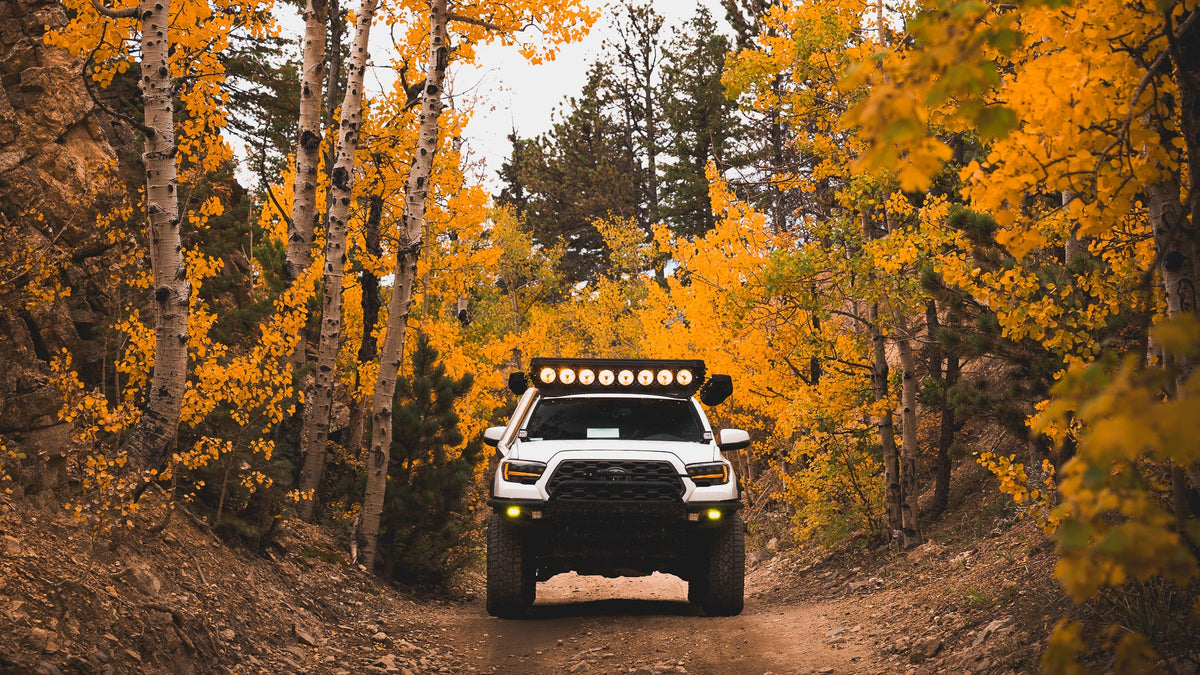
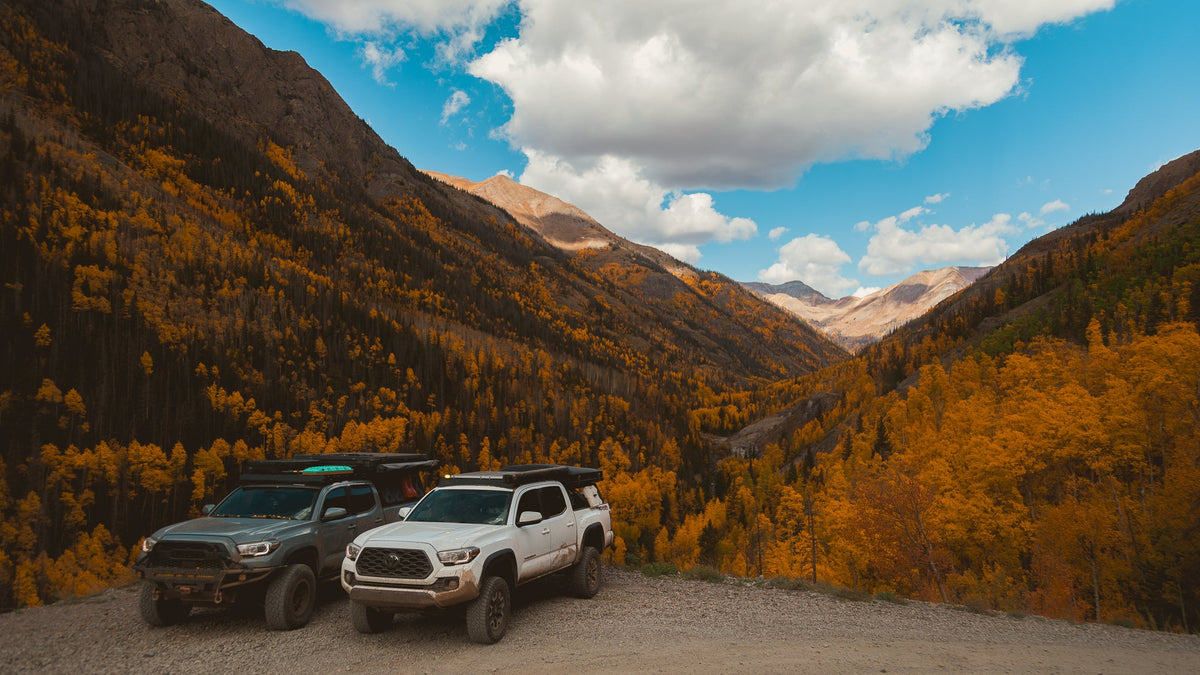
From Denver, you can be on a mountain trail in well under two hours, surrounded by pine forests, old mining country, alpine lakes, and some of the best scenery the Front Range has to offer. This last weekend I went out to Switzerland Trail to try to see some fall colors!
But not every dirt road is an off-road trail, and not every trail is appropriate for every vehicle.
Whether you're looking for your first 4x4 adventure, a scenic day on the trail, or something that will actually put your rig to work, there are plenty of options within a couple hours of Denver.
Here are five off-road trails and trail systems worth checking out.
Before you go: Trail conditions, seasonal closures, vehicle restrictions, and weather can change quickly in Colorado. Always check current conditions and regulations through local agencies before heading out. Stay on designated routes and follow posted signs.
1. Switzerland Trail
Drive from Denver: Approximately 1–1.5 hours
Difficulty: Easy to moderate
Best for: Beginners, scenic drives, photography, and a relaxed day on the trail
If you're new to off-roading, Switzerland Trail is a great place to start.
Located west of Boulder, this historic route follows the old grade of the Switzerland Trail railroad through the Front Range. Instead of crawling over massive obstacles, you'll spend your day navigating a scenic mountain road with forest, open sections, and views toward the Continental Divide.
The relatively gentle grade makes it approachable compared with some of the more technical trails in the area, but that doesn't mean you can completely switch off.
Sections can be narrow, rocky, and exposed, with blind corners and limited room for passing.
That's part of the fun.
Switzerland Trail is less about conquering an obstacle and more about getting out of the city, exploring the mountains, and enjoying the drive.
It's also a great option for photographers. The combination of historic mining country, mountain views, and changing seasons makes this a particularly good fall destination.
What to bring
A high-clearance vehicle, plenty of water, layers, a recovery kit, and a camera.
And remember: this is a multi-use area. Expect to encounter hikers, cyclists, and other vehicles. Slow down, give people space, and be prepared for narrow sections.
2. Yankee Hill Trail System
Drive from Denver: Approximately 1–1.5 hours
Difficulty: Easy to moderate, depending on route
Best for: Beginners looking to progress, scenic wheeling, and exploring multiple connected routes
Just west of Central City is the Yankee Hill area, a network of roads and trails that gives you significantly more options than a single out-and-back route.
The main Yankee Hill route is relatively approachable, but the larger network allows you to explore additional roads and obstacles as your experience and vehicle capability increase.
That's what makes this area particularly appealing.
You're not locked into one trail.
You can spend a few hours exploring the network or build a longer day around the surrounding mountain roads and historic mining areas.
The terrain can be rocky, and some routes become more challenging than others, so don't assume that every road in the area is suitable for your vehicle.
What to bring
A capable 4x4 or high-clearance vehicle, tire repair equipment, recovery gear, and a way to air down and reinflate your tires.
Most importantly, bring a good map.
With a network of connected routes, it's easy to get turned around in unfamiliar terrain. Download your maps before you lose cell service.
3. Bill Moore Lake
Drive from Denver: Approximately 1–1.5 hours
Difficulty: Moderate
Best for: 4x4 drivers, alpine scenery, and a little more technical driving
If Switzerland Trail is about taking it easy, Bill Moore Lake is where things start getting more interesting.
Located near Empire, Bill Moore Lake is part of the Empire Loop network in the Arapaho National Forest. The trail climbs into higher terrain and finishes at an alpine lake surrounded by mountain scenery.
The route includes rocky and uneven sections and gives drivers a chance to test their vehicle without immediately jumping into the most extreme terrain Colorado has to offer.
The reward is the scenery.
You're trading the relatively low-stress forest roads of the Front Range for higher-elevation terrain and big mountain views.
Keep in mind that elevation and weather can dramatically change the trail. Snow can linger well into the season, and conditions can change quickly once you're above treeline.
What to bring
This is where proper preparation starts becoming more important.
Bring recovery equipment, a full-size spare or tire repair kit, extra food and water, warm layers, and a reliable navigation system.
Travel with another vehicle when possible, especially if you're unfamiliar with the trail.
And don't let a clear morning in Denver convince you that the mountains will have the same weather.
4. Bunce School Road
Drive from Denver: Approximately 1–1.5 hours
Difficulty: Easy to difficult depending on route and obstacles
Best for: Exploring, dispersed camping, and drivers who want optional challenges
Bunce School Road is an interesting one because the difficulty can change significantly depending on which sections and connected routes you explore.
The main route is a relatively short forest road, but the larger Bunce area includes additional spurs and technical sections that can turn the outing into a much more serious wheeling adventure.
That makes it a good option for groups with different experience levels—as long as everyone understands where their vehicle's limits are.
The area also has a little history mixed into the adventure. The route is associated with the historic Bunce School, a one-room schoolhouse dating back to the late 1800s.
It's a good reminder that you're not just driving through a random patch of forest. Much of Colorado's off-road network follows old mining, logging, and transportation routes that helped connect mountain communities.
What to bring
Recovery gear, tire repair equipment, food, water, and a good navigation app with offline maps.
If you're attempting the more technical sections, bring a spotter and don't be afraid to turn around.
That's one of the most important rules in off-roading:
The trail will still be there another day.
5. Slaughterhouse Gulch
Drive from Denver: Approximately 1–1.5 hours
Difficulty: Moderate to difficult
Best for: Experienced drivers, technical obstacles, and testing your vehicle
If you're looking for something that feels more like true four-wheeling than a scenic mountain drive, Slaughterhouse Gulch belongs on your list.
Located near Bailey, this forested loop is known for rocky sections, ruts, off-camber terrain, and tighter obstacles.
It's also one of the more popular off-road destinations within easy reach of the Denver metro area, which means you can expect company—particularly on weekends.
Slaughterhouse isn't necessarily the place to show up completely unprepared in a stock vehicle and hope for the best.
Your vehicle, tires, recovery equipment, and driving experience all matter.
Conditions matter even more.
Rain, mud, snow, and ice can dramatically change the difficulty of a trail. Something that feels manageable on a dry summer day can become a very different experience after a storm.
What to bring
Recovery boards, recovery straps, appropriate recovery points, tire repair equipment, an air compressor, and a reliable navigation system are all worth having.
A second vehicle and an experienced spotter are also smart additions when you're tackling more technical terrain.
And if you're not comfortable with an obstacle?
Don't run it.
There's no prize for making it to the end of a trail with a broken axle.
How to Choose the Right Off-Road Trail Near Denver
Not sure where to start?
Think about what you actually want from the day.
Want an easy scenic drive?
Start with Switzerland Trail.
Want to explore a network of trails?
Try Yankee Hill.
Want mountain scenery and a little more challenge?
Head toward Bill Moore Lake.
Want a trail with options?
Check out Bunce School Road.
Want technical wheeling?
Slaughterhouse Gulch is the more demanding option on this list.
And remember that trail difficulty isn't fixed.
Weather, snow, mud, recent trail work, traffic, and vehicle setup can all change the experience.
What Should You Bring Off-Roading in Colorado?
You don't need a fully built rock crawler to enjoy Colorado's backcountry.
But you should be prepared.
At a minimum, consider carrying:
-
Recovery straps and appropriate recovery points
-
A tire repair kit
-
A full-size spare
-
Air compressor
-
Tire gauge
-
Basic tools
-
Extra food and water
-
First-aid kit
-
Extra layers
-
Offline maps/navigation
-
Emergency communication device
-
Flashlight or headlamp
-
Trash bags
For more technical trails, add recovery boards, a winch if appropriate for your vehicle, traction equipment, and another vehicle to your setup.
Before you leave, tell someone where you're going and when you expect to return.
Respect the Trail
The best off-road trail is one that's still open next year.
Colorado's mountain trails are seeing more use every year, and irresponsible driving can damage the landscape and contribute to closures.
Stay on designated routes.
Don't create your own bypass around an obstacle.
Don't drive around gates.
Don't leave trash behind.
Keep noise under control.
Give hikers, cyclists, horseback riders, and other trail users space.
And if conditions are wet enough that your tires are tearing the trail apart, turn around.
Off-roading isn't just about where your vehicle can go.
It's about being responsible enough to keep these places open.
Ready to Get Off the Pavement?
You don't have to drive across Colorado to find a great off-road adventure.
Within roughly one to two hours of Denver, you can find everything from scenic forest roads to rocky 4x4 trails that will actually challenge your driving and your vehicle.
Start with a trail that matches your experience, check conditions before you leave, bring the right recovery equipment, and give yourself plenty of time.
Then get out there.
The mountains are waiting.
Need to gear up before your next trip? Stop by Spirit of 1876 for camping, overlanding, and off-road gear to help you get farther off the pavement.
Comments